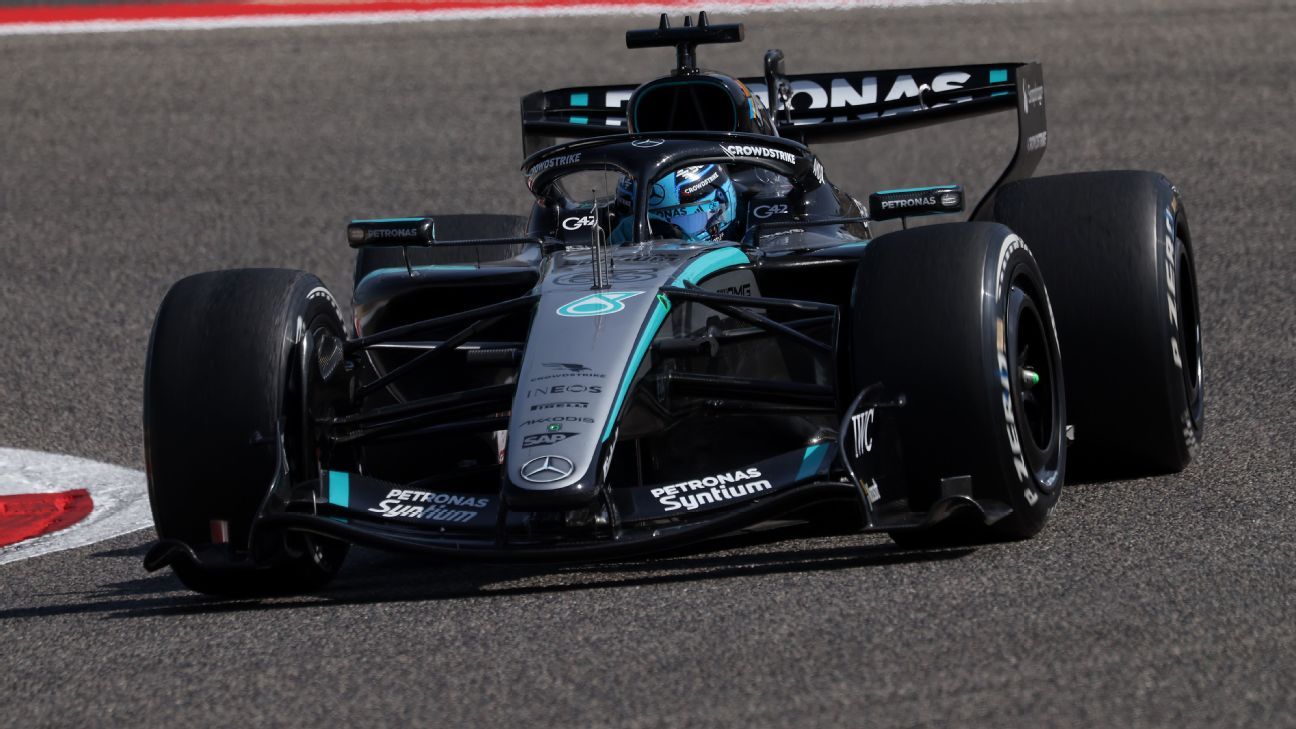
F1 Engine Regulations: Will FIA's Update Reshape Performance?
Formula 1 is a sport perpetually on the cutting edge of automotive technology, and few areas are as pivotal to performance as the power unit. The highly anticipated 2026 season ushers in one of the most significant F1 engine rule changes in recent memory, designed to attract new manufacturers, promote sustainability, and level the playing field. However, even before the new era officially begins, the FIA has already stepped in with a crucial mid-season update to the 2026 power unit regulations, specifically addressing a potential loophole in how engine compression ratios are measured. This swift intervention raises a fundamental question: will this adjustment significantly reshape the competitive landscape and redefine performance for the upcoming seasons?
The Ambitious Vision Behind F1's 2026 Power Unit Regulations
The architects of Formula 1's 2026 regulations had a clear vision: a more sustainable, cost-effective, and audibly thrilling sport that would draw new talent and investment. The new power units represent a radical departure from their predecessors. Key changes include:
- Increased Electrical Power: A significant boost in hybrid power, with the electrical component contributing almost 50% of the total output.
- Simplified Hybrid System: The controversial and complex MGU-H (Motor Generator Unit – Heat) has been removed, reducing costs and complexity, a move widely believed to have been crucial in attracting new entrants like Audi.
- Sustainable Fuels: Engines will run on 100% sustainable fuels, aligning F1 with global efforts towards decarbonisation.
- Standardised Components: More standardised parts to control development costs and ensure closer competition.
- Compression Ratio Limit: A lowered compression ratio limit, reduced from 18.0 to 16.0, intended to keep engine designs within certain parameters and manage overall power output efficiently.
These ambitious regulations were crafted to strike a delicate balance between pushing technological boundaries and ensuring accessibility for all manufacturers. However, with any major regulatory overhaul, the interpretation of the rules by ingenious engineering teams is always a critical factor.
Unpacking the Compression Ratio Controversy: A Design Loophole?
The core of the recent f1 engine rule change revolves around the engine's compression ratio. This parameter is crucial for internal combustion engine efficiency and power output. A higher compression ratio generally translates to more power and better fuel economy, up to a point where engine knock becomes an issue. For 2026, the FIA lowered this limit to 16.0, aiming to control engine performance parameters.
The controversy emerged during the build-up to the 2026 season, particularly following pre-season testing. Rival teams began to suspect that Mercedes, a powerhouse in F1 engine development, had found a way to potentially exploit a loophole related to how the compression ratio was *measured*. Crucially, the initial regulations stipulated that the 16.0 compression ratio limit was to be measured under "cold conditions" – when the engine was not running at full operating temperature.
Here's the technical insight: metal components, like pistons and cylinder heads, expand when heated. If an engine's compression ratio is measured when cold, it's possible that when the engine reaches its operating temperature (around 130 degrees Celsius), the thermal expansion of parts could subtly alter the effective compression ratio, potentially pushing it beyond the 16.0 limit. A clever design could be engineered to achieve a higher effective compression ratio in hot running conditions while remaining compliant when measured cold. This subtle difference could translate into a competitive advantage on track, offering marginal but critical gains in power or efficiency that F1 teams relentlessly pursue.
FIA's Swift Intervention: The Mid-Season Rule Adjustment
Faced with a brewing dispute and feedback from teams and drivers following pre-season tests in Barcelona and Bahrain, the FIA acted decisively. They confirmed a mid-season f1 engine rule change, introducing a new test specifically designed to close this potential loophole.
From June 1, 2026, a new test will be introduced. This test will measure the compression ratio when the engine ambient temperature is at 130 degrees Celsius – reflecting actual operating conditions. This change represents a significant shift from the initial "cold conditions" measurement. The FIA's approach is phased:
- From June 1, 2026: Compression ratios will be controlled in both hot and cold conditions. This allows for a transition period and ensures immediate compliance under operating temperatures.
- From 2027 onwards: Compression ratios will exclusively be controlled in operating conditions (130 degrees Celsius). This streamlines the measurement process and focuses solely on the engine's real-world performance parameters.
The good news is that this significant adjustment received unanimous approval from the Formula 1 power unit manufacturers: Mercedes, Ferrari, Red Bull-Ford, Audi, and Honda. This consensus highlights the collective desire to maintain a level playing field and uphold the spirit of the regulations. For a deeper dive into how this 'hot test' specifically closes the compression ratio loophole, read our detailed article: F1 2026 Engine Rules: FIA Hot Test Closes Compression Ratio Loophole.
Will This F1 Engine Rule Change Reshape the 2026 Grid?
The introduction of a new f1 engine rule change mid-season, especially one addressing a fundamental engine parameter like compression ratio, undoubtedly has the potential to impact the pecking order. Mercedes team principal Toto Wolff initially expressed concern that a change to the power-unit regulations could be "quite damaging for the performance." While he later softened his stance, the sentiment underscores the delicate balance involved in engine design.
Teams like Mercedes, who might have invested significant resources into designing an engine that exploited the cold-measurement loophole, could find themselves having to adapt their designs or operational strategies. This could incur additional costs, time, and potentially performance compromises. Conversely, teams that designed their power units with a more conservative interpretation of the rules, or those yet to finalize their designs, might benefit from this clarification, ensuring their compliance from the outset without needing costly revisions.
Practical Tip: Keep a close eye on early 2026 pre-season testing and the first seven races. The performance differentials before and after June 1st, when the new test comes into effect, will offer the first real-world insights into which teams have managed the adjustment most effectively. The FIA's decision marks a significant moment, as detailed further in: FIA Confirms Mid-Season F1 2026 Engine Rule Change & New Hot Test.
It's a classic F1 cat-and-mouse game: regulators set the rules, engineers push the boundaries of interpretation, and the FIA adapts to maintain fairness and the intended spirit of the competition. This proactive step by the FIA demonstrates their commitment to ensuring the integrity of the 2026 regulations and fostering a truly competitive environment for all five manufacturers.
Beyond 2026: The FIA's Adaptive Approach to Regulations
The mid-season f1 engine rule change, though occurring before the start of the 2026 season itself, highlights a crucial aspect of F1 governance: adaptability. With such monumental regulation changes, it's inevitable that unforeseen interpretations or technical nuances will emerge. The FIA's willingness to listen to feedback from manufacturers and teams, and to implement adjustments swiftly and unanimously, is a positive sign for the long-term stability and fairness of the sport.
This incident also reinforces the idea that F1 regulations are not static. They are living documents, subject to refinement and clarification as technology evolves and innovative minds find new ways to extract performance. The ongoing evaluation and technical checks on energy management matters, mentioned by the FIA, further suggest that fine-tuning of the 2026 regulations will likely continue well into their implementation.
In conclusion, the FIA's update to the 2026 F1 engine regulations, specifically concerning the compression ratio measurement, is more than just a technical amendment; it's a critical pre-emptive strike to preserve the integrity and competitive balance of the sport's new era. While the immediate impact on performance and the pecking order remains to be seen on track, this f1 engine rule change underscores the continuous interplay between regulation and innovation. It ensures that the spirit of the 2026 regulations – attracting new manufacturers and promoting closer racing – is upheld, setting the stage for what promises to be an exhilarating chapter in Formula 1 history.